الألومينا للطباعة ثلاثية الأبعاد
- الصفحة الرئيسية /
- الألومينا /
- تطبيقات الألومينا /
-
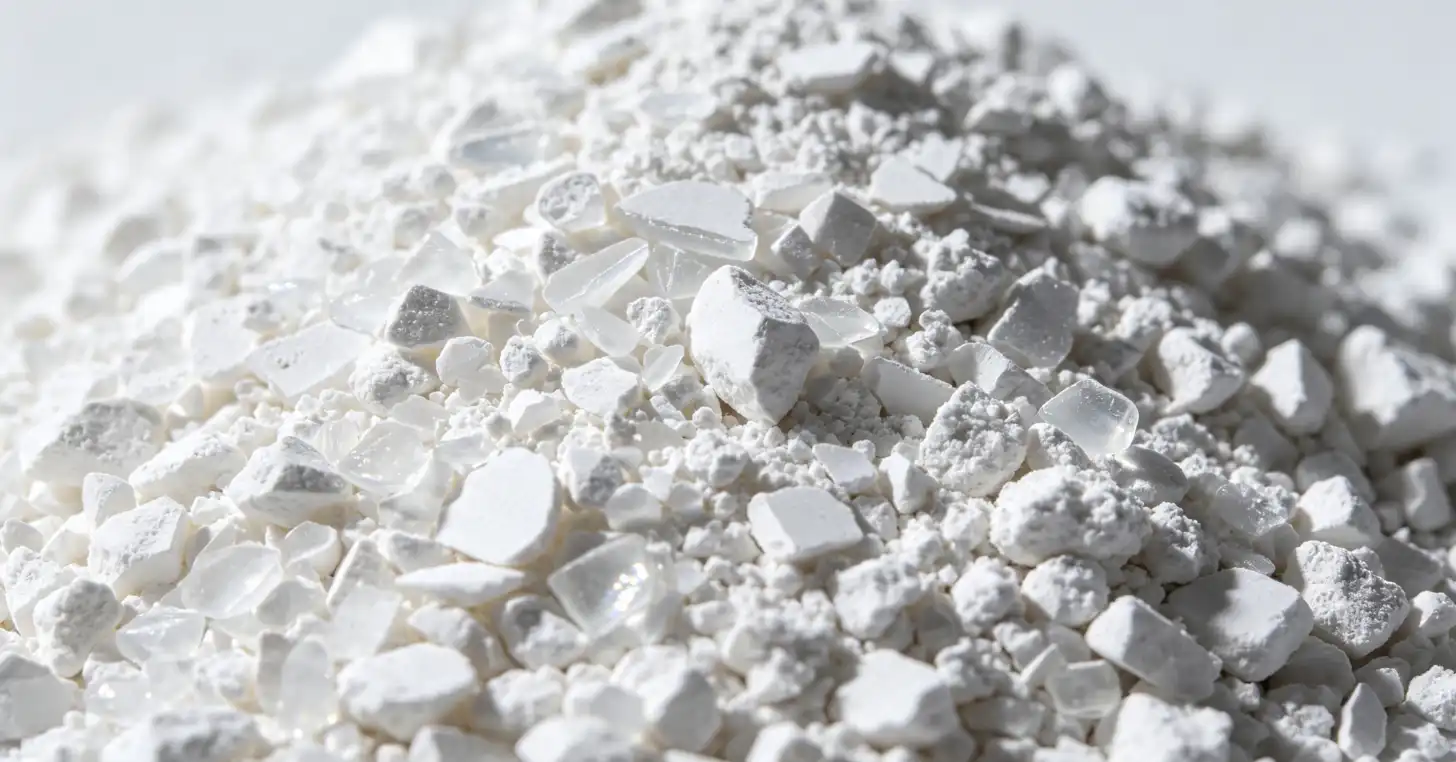
الألومينا للطباعة ثلاثية الأبعاد
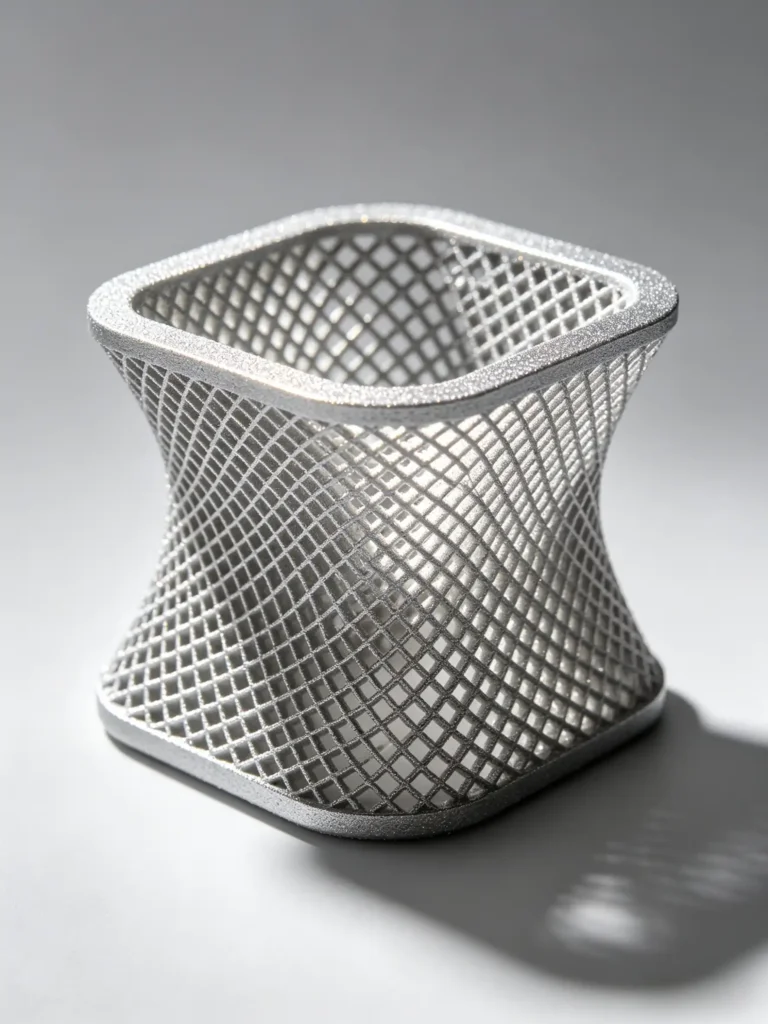
ما هو الألومينا المستخدم في الطباعة ثلاثية الأبعاد؟
المزايا الرئيسية للألومينا المطبوعة بتقنية الطباعة ثلاثية الأبعاد
- إنتاج أشكال هندسية معقدة دون قيود تتعلق بالأدوات أو التشكيل: إن استخدام أكسيد الألومنيوم لإنتاج مادة مضافة خزفية يزيل القيود الهندسية التي يفرضها الضغط بالقالب، والانزلاق، والبثق في تصنيع قطع سبائك الألومنيوم التي تحتوي على ممرات داخلية، وتكوينات شبكية، وخصائص تشكيلية، وانحناءات معقدة؛ وهي خصائص لا يمكن الحصول عليها من خلال عمليات تصنيع السيراميك التقليدية بكميات إنتاج مجدية اقتصاديًا.
- خصائص مادة متكلسة عالية الأداء تعادل خصائص الألومينا المشكلة بالطرق التقليدية: يتميز أكسيد الألومنيوم المطبوع ثلاثي الأبعاد، بعد إعداده وتكليسه بشكل مناسب، بكثافة وصلابة وقوة انحناء ومقاومة كيميائية تعادل تلك التي تتحقق في عمليات التصنيع التقليدية — مما يوفر الخصائص الكاملة لمادة أكسيد الألومنيوم عالي النقاء في الأجزاء ذات الأشكال الهندسية المعقدة، التي كانت تتطلب في السابق معالجة مكلفة لألواح الألومنيوم عالية الكثافة.
- النماذج الأولية السريعة والإنتاج بكميات صغيرة دون الحاجة إلى استثمارات في الأدوات الثابتة: تُزيل تقنية التصنيع الإضافي الحاجة إلى القوالب وما يترتب عليها من تكاليف، والتي ترتبط بعمليات تشكيل السيراميك التقليدية — مما يتيح إنتاج قطع مخصصة من أكسيد الألومنيوم بتكلفة منخفضة بكميات صغيرة، وفي دفعات محدودة، وغالباً بتصميمات معدلة، دون الحاجة إلى أدوات متخصصة في مجال السيراميك.
- المسامية والبنية المجهرية المُحكَمة في تطبيقات السيراميك الوظيفية: تتيح تقنيات الطباعة ثلاثية الأبعاد المتطورة للسيراميك إجراء تغييرات محكومة في الكثافة المحلية، والمسامية، والبنى المجهرية في الأجزاء الفردية المصنوعة من أكسيد الألومنيوم — مما يتيح الحصول على بنية ذات تدرج وظيفي، وهيكل مسامي مصمم هندسيًّا للغرسات الطبية، وخصائص حرارية وصوتية مثالية لا يمكن للسيراميك التقليدي توفيرها.
- التخصيص وفقًا لمتطلبات التطبيقات الطبية والفضائية والإلكترونية: تتيح الطباعة ثلاثية الأبعاد باستخدام أكسيد الألومنيوم تصميم أشكال زراعات طبية مخصصة لكل مريض، وتخطيط لوحات إلكترونية مخصصة لكل تطبيق، وملامح هياكل طيران مخصصة لكل مكون — وذلك من خلال الجمع بين التوافق الحيوي لأكسيد الألومنيوم وخصائصه العازلة والحرارية، إلى جانب إمكانية تخصيص الأبعاد التي أصبحت مطلوبة بشكل متزايد في التطبيقات المتخصصة عالية القيمة لدى موردي تصنيع السيراميك المتقدم.
التحديات التي تواجه القطاع
عدم اتساق حجم جزيئات المواد الأولية وتوزيعها، مما يؤثر سلبًا على استقرار الملاط ودقة الطباعة
توقع الانكماش الناتج عن التلبيد والتحكم في الأبعاد في الأشكال الهندسية المطبوعة المعقدة
تحقيق كثافة متكلسة وخصائص ميكانيكية تعادل تلك الخاصة بالألومينا المصنعة بالطرق التقليدية
نظرة عامة على المنتج
الألومينا
AP-α-3DP/G500
سيناريوهات الاستخدام المحددة — الطباعة ثلاثية الأبعاد باستخدام الألومينا
المكونات الهيكلية والحرارية في قطاعي الفضاء والدفاع
الغرسات الطبية ومكونات الأجهزة الطبية الحيوية
الركائز الإلكترونية ومكونات التغليف الإلكتروني الدقيق
قطع الغيار الصناعية والمكونات الخزفية المصنوعة حسب الطلب
البحوث، وتصنيع النماذج الأولية، وتطوير السيراميك حسب الطلب
مكونات المعدات المختبرية والتحليلية المقاومة للحرارة العالية
مزايا الألومينا المستخدمة في الطباعة ثلاثية الأبعاد لدينا
إنتاج أشكال هندسية سيراميكية معقدة دون قيود تتعلق بالأدوات أو التشكيل
يؤدي استخدام أكسيد الألومنيوم في إنتاج إضافات السيراميك إلى التخلص من ضغوط القوالب والقيود الهندسية — مما يتيح إنتاج قطع من أكسيد الألومنيوم تحتوي على ممرات داخلية وأنماط شبكية وانحناءات معقدة لا يمكن الحصول عليها باستخدام تقنيات صب السيراميك التقليدية، مع تجنب المدة الزمنية والتكاليف الرأسمالية المرتبطة باستخدام أدوات السيراميك المتخصصة.
خصائص الأداء الكاملة للمواد المُتلبَّدة في أشكال المكونات ذات الهندسة المعقدة
يتمتع الألومنيوم المطبوع ثلاثي الأبعاد، بعد إعداده وتلبيدته بشكل مناسب، بنفس السماكة والمتانة والمقاومة الكيميائية التي تتميز بها المنتجات المصنعة بالتقنيات التقليدية — مما يوفر الخصائص الكاملة لمادة أكسيد الألومنيوم عالي النقاء في هندسة تجميع معقدة كانت ستتطلب معالجة مكلفة لألواح الألومنيوم المدمجة.
النماذج الأولية السريعة والإنتاج بكميات صغيرة دون الحاجة إلى استثمارات كبيرة في الأدوات الثابتة
يُزيل التصنيع الإضافي الحاجة إلى القوالب وتكاليفها المرتبطة بالتصنيع التقليدي للسيراميك — مما يتيح التصنيع الاقتصادي لأجزاء مخصصة من أكسيد الألومنيوم بكميات عينة ودفعات صغيرة، دون الحاجة إلى الحد الأدنى لعدد الطلبات وفترات الانتظار اللازمة لتجهيز الأدوات، وهي أمور لا غنى عنها في التصنيع التقليدي للسيراميك.
البحث عن جميع فئات الكربون المنشط
اكتشف جميع الحلول الصناعية
خدمات التغليف واللوجستيات
تغليف آمن وقابل للتخصيص
يجب تعبئة المنتجات في كيس متين ومقاوم للرطوبة أو في حاوية سائبة، لضمان نظافة المنتجات وسلامتها أثناء النقل. تتوفر خيارات تعبئة مخصصة لتلبية الاحتياجات الخاصة من حيث الحجم وطرق المناولة.
شحن عالمي موثوق ومرن
بالتعاون مع شركاء لوجستيين موثوقين، نقدم نظام توصيل مرن للشحنات البحرية والجوية والبرية. نضمن التسليم السريع والنقل الآمن إلى وجهات في جميع أنحاء العالم.
تنسيق مخصص للطلبات والدعم
نقدم دعمًا خاصًا لعمليات التتبع والتوثيق بدءًا من تأكيد الطلب وحتى الشحنة الأخيرة. كما نوفر الدعم الفني واللوجستي لضمان نجاح تجربة سلسلة التوريد.
هل أنت مستعد للعثور على الحل الصناعي المثالي لك؟
كيفية الطلب!
أرسل إلينا استفسارك التفصيلي، أو اطلب عرض أسعار مخصصًا لاحتياجاتك من الكربون المنشط.
استفسر الآن!
مدونات ذات صلة