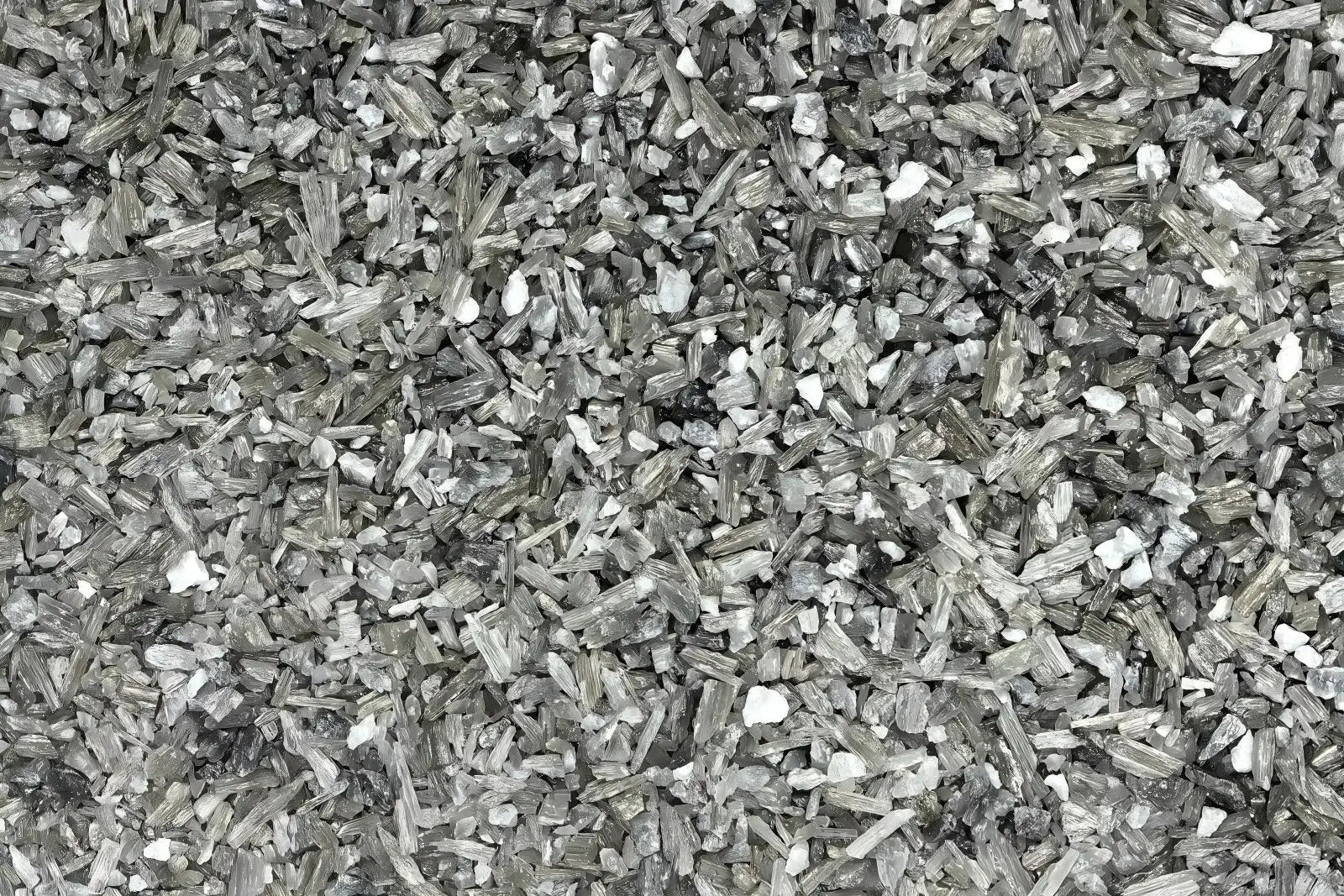
تحميص هيدروكسيد الألومنيوم
- الصفحة الرئيسية /
- الألومينا /
- أنواع الألومينا /
-
أكسيد هيدروكسيد الألومينا

ما هو تحميص هيدروكسيد الألومنيوم؟
تُعد عملية تحميص هيدروكسيد الألومنيوم عملية تحلل حراري يتم خلالها تسخين هيدروكسيد الألومنيوم (Al(OH)₃) أو أوكسيهيدروكسيد الألومنيوم (AlOOH) عند درجات حرارة محكومة — تتراوح عادةً بين 300 درجة مئوية وأكثر من 1200 درجة مئوية — لإزالة الماء ومجموعات الهيدروكسيل المرتبطة كيميائيًا بشكل تدريجي، مما ينتج أكسيد الألومنيوم (Al₂O₃) بخصائص فيزيائية وكيميائية محددة بدقة.
وعلى عكس الطرق الأخرى لإنتاج الألومينا، توفر هذه الطريقة تحكماً استثنائياً في تسلسل التحول. فعند درجات حرارة تحميص منخفضة، تتشكل مراحل انتقالية من الألومينا مثل غاما (γ) وإيتا (η) وثيتا (θ)، مع الاحتفاظ بمساحة سطح كبيرة ومسامية فعالة. ومع ارتفاع درجات الحرارة إلى 1200 درجة مئوية وما فوق، تتحول المادة بالكامل إلى مرحلة ألفا (α) المستقرة، مما يوفر أقصى درجات الصلابة والاستقرار الحراري.
تؤثر المادة الأولية — سواء كانت الجيبسيت أو البوهميت أو البايريت — بشكل كبير على البنية المجهرية للألومينا النهائية، وكيمياء سطحها، وتكوين مراحلها. وتجعل مرونة هذه العملية من تحميص هيدروكسيد الألومنيوم أحد أكثر الطرق تنوعًا وانتشارًا لإنتاج مواد الألومينا الوظيفية المصممة خصيصًا لتلبية متطلبات صناعية محددة، بدءًا من حاملات المحفزات والمواد الماصة وصولاً إلى السيراميك المتطور والركائز الإلكترونية.
لماذا يُفضل تحميص هيدروكسيد الألومنيوم؟
- التحكم الدقيق في طور البلورةمن خلال تعديل درجة حرارة التكليس والبيئة المحيطة، يمكن إنتاج مراحل محددة من الألومينا — بدءًا من الأشكال الانتقالية عالية النشاط وصولاً إلى الألومينا ألفا المستقرة — بشكل انتقائي لتلبية متطلبات الأداء الدقيقة للتطبيقات المستهدفة.
-
مساحة السطح والمسامية القابلتان للتعديل تساعد درجات حرارة التكليس المنخفضة في الحفاظ على مساحة سطح عالية وفقًا لمعيار BET وبنية مسامية متوسطة يمكن التحكم فيها، مما يجعل الألومينا الناتجة مثالية لاستخدامها كحاملات للمحفزات، ومواد تجفيف، وفي تطبيقات الامتصاص التي تتطلب أقصى قدر من التلامس السطحي النشط.
-
نقاء كيميائي عالٍيضمن استخدام مادة أولية من هيدروكسيد الألومنيوم المكرر الحصول على منتج من أكسيد الألومنيوم (Al₂O₃) عالي النقاء مع الحد الأدنى من الشوائب النزرة — وهو أمر بالغ الأهمية للتطبيقات الحساسة في مجالات الأدوية والإلكترونيات والسيراميك المتخصص.
-
شكل الجسيمات المرنتنتقل الخصائص الفيزيائية للمادة الأولية إلى المنتج المكلس إلى حد كبير، مما يتيح تصميم حجم الجسيمات وشكلها وملمسها مسبقًا في مرحلة الهيدروكسيد من أجل تحسين التطبيقات اللاحقة.
-
تنوع واسع في الاستخدامات بدءًا من الألومينا جاما المستخدمة في تركيبات المحفزات وتجفيف الغاز وصولاً إلى الألومينا ألفا المستخدمة في صناعة السيراميك المتطور والمواد الكاشطة، يغطي مسار الإنتاج هذا النطاق الكامل لتطبيقات الألومينا الصناعية ضمن إطار عملية واحدة.
-
إنتاج فعال من حيث التكلفة وقابل للتوسعيستفيد تحميص هيدروكسيد الألومنيوم من المواد الأولية المتوفرة على نطاق واسع ومن تقنيات الأفران الدوارة أو الطبقة المميعة الراسخة، مما يتيح إنتاجًا فعالاً من حيث التكلفة وعلى نطاق واسع مع جودة إنتاج ثابتة.
التحديات التي تواجه القطاع
متطلبات التحكم الدقيق في درجة الحرارة
حتى التغيرات الطفيفة في درجة حرارة التكليس يمكن أن تؤدي إلى حدوث تحولات طورية غير مقصودة، مما ينتج عنه ألومينا لا تتوافق مع المواصفات المطلوبة، وتتميز بمساحة سطح غير متسقة، أو بنية بلورية غير متسقة، أو خصائص ميكانيكية لا تفي بمتطلبات الاستخدام.
تعقيد التحول الطوري
تتطلب إدارة عملية التحول التدريجي من هيدروكسيد الألومنيوم، مروراً بمراحل متعددة من الألومينا الانتقالية، وصولاً إلى الألومينا ألفا المستقرة، خبرة عميقة في العمليات ومعايير فرن خاضعة لرقابة صارمة طوال الدورة الحرارية بأكملها.
استهلاك مرتفع للطاقة
تتطلب المعالجة المستمرة في درجات حرارة عالية داخل الأفران الدوارة أو مفاعلات الطبقة المميعة استهلاكًا كبيرًا للطاقة، مما يؤثر بشكل مباشر على تكاليف الإنتاج ويجعل كفاءة الطاقة تحديًا تشغيليًا مستمرًا.
تقلب المواد الأولية
تؤثر الاختلافات في المواد الأولية — الجيبسيت أو البوهميت أو البايريت — بشكل كبير على سلوك عملية التكليس وخصائص المنتج النهائي، مما يستلزم إجراء تعديلات على العملية كلما تغير مصدر المواد الخام أو درجتها.
نظرة عامة على المنتج
الألومينا
AP-AM-MED/P300
لماذا تستخدم عملية تحميص هيدروكسيد الألومنيوم التي نقدمها؟
الانتقائية الدقيقة للمرحلة البلورية
من خلال التحكم في درجة حرارة التكليس والبيئة المحيطة، يمكن إنتاج مراحل محددة من الألومينا — بدءًا من مرحلة غاما ذات المساحة السطحية الكبيرة وصولاً إلى مرحلة ألفا الصلبة والمستقرة — بشكل انتقائي، مما يوفر خصائص مادية تتوافق بدقة مع متطلبات الأداء الخاصة بالتطبيق المستهدف.
مساحة السطح والمسامية القابلتان للتعديل
يحافظ التكليس عند درجات حرارة منخفضة على المساحة السطحية العالية وفقًا لمعيار BET وعلى البنية المسامية المتوسطة النشطة، مما يجعل الألومينا الناتجة فعالة بشكل استثنائي في استخدامها كحاملات للمحفزات، ومواد مجففة، وفي تطبيقات الامتصاص التي تتطلب أقصى قدر من التلامس السطحي والتفاعلية.
التحكم المرن في شكل الجسيمات
يتيح اختيار المواد الأولية والمعالجة المسبقة تصميم حجم الجسيمات وشكلها وملمسها مسبقًا قبل عملية التكليس، مما يتيح تحسين التطبيقات اللاحقة دون الحاجة إلى معالجة لاحقة مكلفة أو خطوات إضافية لتعديل الجسيمات.
التطبيقات ذات الصلة
حلول الصناعة
خدمات التغليف واللوجستيات
تغليف آمن وقابل للتخصيص
يجب تعبئة المنتجات في كيس متين ومقاوم للرطوبة أو في حاوية سائبة، لضمان نظافة المنتجات وسلامتها أثناء النقل. تتوفر خيارات تعبئة مخصصة لتلبية الاحتياجات الخاصة من حيث الحجم وطرق المناولة.
شحن عالمي موثوق ومرن
بالتعاون مع شركاء لوجستيين موثوقين، نقدم نظام توصيل مرن للشحنات البحرية والجوية والبرية. نضمن التسليم السريع والنقل الآمن إلى وجهات في جميع أنحاء العالم.
تنسيق مخصص للطلبات والدعم
نقدم دعمًا خاصًا لعمليات التتبع والتوثيق بدءًا من تأكيد الطلب وحتى الشحنة الأخيرة. كما نوفر الدعم الفني واللوجستي لضمان نجاح تجربة سلسلة التوريد.
هل أنت مستعد للعثور على الحل الصناعي المثالي لك؟
كيفية الطلب!
أرسل إلينا استفسارك التفصيلي، أو اطلب عرض أسعار مخصصًا لاحتياجاتك من الكربون المنشط.