
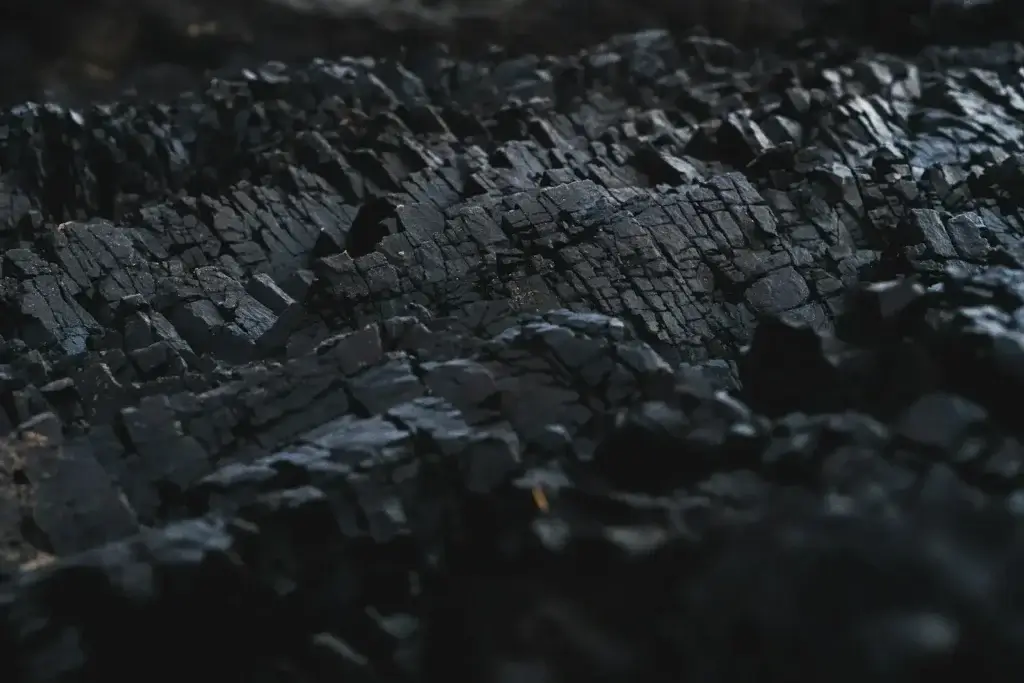
يُعد الفحم المادة الخام الأكثر وفرةً والأكثر استخدامًا في إنتاج الكربون المنشط على مستوى العالم، حيث يمثل حوالي 40 في المائة من الإنتاج العالمي، ويُعد العمود الفقري لأنظمة معالجة المياه البلدية، وإدارة مياه الصرف الصناعي، وأنظمة مكافحة تلوث الهواء في جميع القارات. بلغت قيمة السوق العالمية للكربون المنشط المستخرج من الفحم 4.60 مليار دولار أمريكي في عام 2024، ومن المتوقع أن تصل إلى 7.26 مليار دولار أمريكي بحلول عام 2033، بمعدل نمو سنوي مركب يبلغ 5.2 في المائة. وفي حين أن الكربون المستخرج من قشور جوز الهند والخشب والخيزران يخدم كل منها مجالات محددة، يظل الكربون المنشط المستخرج من الفحم هو اللاعب المهيمن من حيث الحجم، وذلك بفضل مزيجه الفريد من الأداء المتنوع، والإمداد الموثوق به على نطاق واسع، والسعر الأكثر تنافسية بين جميع أنواع الكربون المنشط الرئيسية.
إن الدور المحوري لهذه المادة في البنية التحتية الحديثة قد لا يكون مرئيًا دائمًا، لكنه حاضر في كل مكان. فكل كوب من مياه الصنبور البلدية في المدن، من شنغهاي إلى شيكاغو، يمر عبر مرشحات الكربون المنشط الحبيبي المستخرج من الفحم، والتي تعمل على إزالة مركبات الطعم والرائحة، ومركبات سلائف منتجات التطهير الثانوية، وبشكل متزايد، المواد البيرفلوروألكيلية والبولي فلوروألكيلية، وهي الملوثات الدقيقة الثابتة التي تخضع الآن لقيود تنظيمية صارمة. تعتمد كل منشأة صناعية تقوم بتصريف مياه الصرف المعالجة على امتصاص الكربون كخطوة تنقية نهائية. توفر الاحتياطيات الجيولوجية الوفيرة للفحم، المركزة في مناطق تعدين محددة جيدًا في الصين والولايات المتحدة ودول أخرى كبرى منتجة للفحم، أمن الإمداد الذي يجعل كربون الفحم الخيار الافتراضي لتطبيقات التنقية ذات الحجم الكبير والهامة للغاية، حيث يتم استهلاك ملايين الأطنان المترية من المواد الماصة سنويًا.
الكربون المنشط المستخرج من الفحم هو مادة ماصة كربونية شديدة المسامية، يتم تصنيعها من الفحم البيتوميني أو الأنثراسيت من خلال عملية كيميائية حرارية من مرحلتين تتألف من عملية الكربنة عند درجة حرارة تتراوح بين 600 و900 درجة مئوية في بيئة خالية من الأكسجين لإزالة المركبات المتطايرة وتشكيل هيكل كربوني ذي مسامية أولية، يلي ذلك تنشيط فيزيائي باستخدام بخار عالي الحرارة عند درجة حرارة تتراوح بين 900 و1,100 درجة مئوية، مما يؤدي إلى حفر مصفوفة الكربون بشكل انتقائي لتكوين شبكة مسام داخلية واسعة النطاق بمساحات سطحية وفقًا لمعيار BET تتراوح بين 800 و1,200 م²/غرام، وأرقام اليود تتراوح بين 800 و1,100 ملغ/غرام، وصلابة ميكانيكية تتراوح بين 80 و95 في المائة، ومحتوى رماد يتراوح بين 8 و18 في المائة أو بين 1 و8 في المائة للدرجات المغسولة بالحمض، وتوزيع متوازن للمسام الدقيقة والمتوسطة والكبيرة، مما يوفر قدرة امتصاص واسعة النطاق تشمل جزيئات الملوثات الصغيرة إلى الكبيرة في كل من تطبيقات الطور السائل والطور الغازي.
تتناول المقالة التالية جميع الجوانب الرئيسية للكربون المنشط المستخرج من الفحم: مسار تصنيعه بدءًا من الفحم الخام وصولاً إلى المنتج النهائي، وخصائصه الفيزيائية والكيميائية التي تحدد أدائه في المجال العملي، وتطبيقاته السائدة والناشئة عبر مختلف القطاعات الصناعية، وموقعه التنافسي مقارنة بأنواع الكربون الأخرى، وقوى السوق التي تشكل مستقبله. وقد كُتب كل قسم بحيث يمكن قراءته بشكل مستقل، في الوقت الذي يشكل فيه مرجعًا تقنيًّا وتجاريًّا متكاملاً.
كيف يتم تصنيع الكربون المنشط المستخرج من الفحم؟
يُنتج الكربون المنشط المستخرج من الفحم من خلال عملية تنشيط فيزيائية تبدأ باختيار وتجهيز فحم بيتوميني أو أنثراسيتي عالي الجودة، حيث يتم سحقه، ويُطحن، ويُشكل اختيارياً على شكل قوالب أو كريات مبثوقة باستخدام مادة رابطة، ثم يتبع ذلك عملية الكربنة في فرن دوار عند درجة حرارة تتراوح بين 600 و900 درجة مئوية في جو محدود الأكسجين يعمل على طرد المركبات العضوية المتطايرة والقطران والرطوبة، مع تكوين فحم غني بالكربون بشبكة مسام أولية، وتبلغ العملية ذروتها بالتنشيط عند درجة حرارة تتراوح بين 900 و1,100 درجة مئوية، حيث يتم إدخال بخار مشبع فائق السخونة كعامل تنشيط، مما يؤدي إلى تغويز ذرات الكربون بشكل انتقائي لحفر وتوسيع بنية المسام الداخلية لتصبح شبكة متطورة بالكامل من المسام الدقيقة، المسام المتوسطة، والمسام الكبيرة، وتكون العملية برمتها أكثر ملاءمة للبيئة مقارنة بطرق التنشيط الكيميائية، حيث إنها لا تستخدم أي كواشف تآكلية ولا تنتج أي تدفقات نفايات كيميائية خطرة.
اختيار المواد الخام وتجهيزها
تحدد جودة الفحم الأولي، إلى حد كبير، جودة الكربون المنشط النهائي. ويُعد الفحم البيتوميني المادة الخام السائدة، ويُقدَّر لمحتواه المعتدل من المواد المتطايرة الذي يتراوح بين 20 و35 في المائة، ومحتواه العالي من الكربون الثابت الذي يتراوح بين 45 و70 في المائة، وبنيته الكربونية التي تستجيب جيدًا لعملية التنشيط بالبخار. تقوم مراكز الإنتاج الرئيسية في مقاطعتي شانشي ونينغشيا الصينيتين باستخراج الفحم البيتوميني الذي يتم اختياره خصيصًا لتصنيع الكربون المنشط. ويُستخدم أنثراسايت، وهو أعلى أنواع الفحم تصنيفًا حيث يتجاوز محتوى الكربون الثابت فيه 86 في المائة، في التطبيقات المتخصصة التي تتطلب مسامية دقيقة للغاية وصلابة ميكانيكية عالية، لكن انخفاض محتواه من المواد المتطايرة يجعل تنشيطه أكثر صعوبة، مما يتطلب درجات حرارة أعلى وأوقات تنشيط أطول، الأمر الذي يزيد من تكاليف الإنتاج.
يخضع الفحم الخام لسلسلة من خطوات التجهيز قبل عملية الكربنة. يتم سحقه إلى حجم جسيمات محدد، ثم تصنيفه عن طريق الغربلة، وفي العديد من خطوط الإنتاج، يُسحق إلى مسحوق ناعم ويُخلط مع مادة رابطة مثل قطران الفحم أو الأسفلت البترولي. يتم عجن الخليط وبثه عبر قوالب لتشكيل حبيبات أسطوانية أو ضغطه في شكل قوالب. وتعد خطوة التشكيل هذه حاسمة لإنتاج الكربون المنشط الحبيبي والمبثوق بالقوة الميكانيكية اللازمة لتحمل الغسل العكسي في أنظمة معالجة المياه والمناولة في العمليات الصناعية. وتخضع الحبيبات المشكلة لعملية المعالجة والتجفيف قبل دخولها إلى فرن الكربنة.
مرحلة الكربنة
تُحوّل عملية الكربنة الفحم الخام أو كريات الفحم المُشكَّلة مع مادة رابطة إلى فحم نباتي غني بالكربون. يتم إدخال المادة إلى فرن دوار وتسخينها إلى درجة حرارة تتراوح بين 600 و900 درجة مئوية في جو محدود الأكسجين، والذي يتم الحفاظ عليه عادةً من خلال التحكم في مدخل الهواء للفرن والاعتماد على احتراق الغازات المتطايرة المنبعثة من الفحم. خلال مرحلة الانحلال الحراري هذه، تتطاير المواد المتطايرة، بما في ذلك الميثان والهيدروجين وأول أكسيد الكربون والقطران والزيوت الخفيفة، مما يزيد من محتوى الكربون الثابت ويخلق شبكة مسام أولية في البقايا الصلبة. يتم التحكم بدقة في درجة حرارة الكربنة ومعدل التسخين ووقت البقاء لإنتاج فحم نباتي يتمتع بالتوازن الأمثل بين التفاعلية والسلامة الهيكلية من أجل خطوة التنشيط اللاحقة.
يعمل فرن الكربنة في ظل ظروف تُدار بعناية. تُحافظ درجة حرارة المواد عند خروجها في نطاق 350 إلى 400 درجة مئوية، ويتم تبريد الفحم إلى ما دون 50 درجة مئوية قبل دخوله إلى نظام التنشيط. يتم الحفاظ على درجة الحرارة الداخلية للفرن عند مستوى أقل من 650 درجة مئوية في منطقة الكربنة، وتخرج غازات المداخن عند درجة حرارة تتراوح بين 800 و950 درجة مئوية، مروراً بمجمعات الغبار الحلزونية، والمرشحات الكيسية، وأنظمة الغسل بالرش قبل إطلاقها في الغلاف الجوي امتثالاً للوائح الانبعاثات.
التنشيط البدني بالبخار
التنشيط هو الخطوة الحاسمة في العملية التي تخلق المساحة السطحية الداخلية الكبيرة المسؤولة عن الامتصاص. وفي إنتاج الكربون المنشط المستخرج من الفحم، يُعد التنشيط الفيزيائي باستخدام البخار الطريقة التجارية السائدة بشكل ساحق. يُنقل الفحم المُفحَم إلى فرن دوار منفصل للتنشيط يعمل عند درجة حرارة تتراوح بين 900 و1,100 درجة مئوية. ويُحقن في الفرن بخار مُشبع ومُفرط السخونة عند ضغط يبلغ حوالي 8 كيلوغرامات ومعدل تدفق يتراوح بين 1.5 و2.2 طن متري في الساعة. تتفاعل جزيئات البخار بشكل انتقائي مع ذرات الكربون في المواقع الملائمة من حيث الطاقة على سطح الفحم، مما يؤدي إلى حفر مسام دقيقة يقل قطرها عن 2 نانومتر في مصفوفة الكربون وتوسيع المسام المتوسطة الموجودة التي يتراوح قطرها بين 2 و50 نانومتر.
تعد تفاعل البخار مع الكربون تفاعلًا ماصًا للحرارة، ويتم توفير الحرارة من خلال جدار الفرن وعن طريق الاحتراق المتحكم فيه لجزء من الكربون والغازات المنبعثة. يحدد التحكم الدقيق في معدل تدفق البخار ودرجة الحرارة ووقت البقاء مدى عملية الحرق، الذي يتراوح عادةً بين 30 و60 في المائة، ويحدد توزيع حجم المسام الناتج. تؤدي مستويات الاحتراق الأعلى عمومًا إلى مساحة سطح أكبر، ولكن مع إنتاجية أقل وصلابة ميكانيكية منخفضة. يتم ضبط معلمات التنشيط وفقًا للتطبيق المستهدف: المزيد من المسام الدقيقة لتنقية مياه الشرب، والمزيد من المسام المتوسطة لإزالة لون مياه الصرف الصناعية، وتوزيعات المسام المُحسَّنة لتطبيقات الطور الغازي.
تُعتبر عملية التنشيط بالبخار الفيزيائية أكثر ملاءمةً للبيئة مقارنةً ببدائل التنشيط الكيميائية. فهي لا تستخدم أي أحماض أو قلويات تآكلية، ولا تنتج أي نفايات كيميائية خطرة، كما أن الغازات المنبعثة — والتي تتكون أساسًا من أول أكسيد الكربون والهيدروجين — تُحرق في غرفة الاحتراق الإضافية لتوفير الحرارة اللازمة للعملية، مما يحسّن كفاءة الطاقة. يتم تبريد الكربون المنشط عند خروجه من الفرن، ثم غربلته للحصول على توزيع حجم الجسيمات المستهدف، ثم تعبئته للشحن.
طرق التنشيط البديلة
في حين أن التنشيط بالبخار هو الطريقة السائدة في الإنتاج التجاري، يمكن أيضًا تطبيق التنشيط الكيميائي باستخدام مواد كيميائية مثل هيدروكسيد البوتاسيوم أو كلوريد الزنك على الفحم، وإن كان ذلك أقل شيوعًا. يمكن أن ينتج التنشيط الكيميائي كربونات ذات مساحة سطحية عالية للغاية تتجاوز 2,000 م²/غرام للأغراض البحثية والتطبيقات المتخصصة، لكن التكلفة وتآكل المعدات ومتطلبات معالجة النفايات تحد من استخدامه التجاري. يُستخدم أحيانًا نهج هجين فيزيائي-كيميائي حيث يتم تشريب الفحم مسبقًا بكمية صغيرة من المحفز أو العامل الكيميائي قبل التنشيط بالبخار، مما يعزز تكوين المسام في نطاقات حجمية محددة.
الخصائص الفيزيائية والكيميائية
يتميز الكربون المنشط المستخرج من الفحم ببنية مسامية متوازنة متعددة المستويات تشمل مسامًا دقيقة يقل حجمها عن 2 نانومتر، ومسامًا متوسطة تتراوح أحجامها بين 2 و50 نانومتر، ومسام كبيرة تزيد عن 50 نانومتر، مما ينتج عنه قدرة امتصاص متعددة الاستخدامات قادرة على احتجاز الملوثات بدءًا من جزيئات الكلور والمركبات العضوية المتطايرة الصغيرة وصولًا إلى الجسيمات الملونة متوسطة الحجم والمواد العضوية الذائبة، مع مساحات سطحية وفقًا لمعيار BET من الدرجة التجارية تتراوح بين 800 و1,200 م²/غرام، وأرقام اليود تتراوح بين 800 و1,100 ملغ/غرام للدرجات الحبيبية وتصل إلى 1,200 ملغ/غرام للدرجات على شكل كريات مبثوقة، نشاط رابع كلوريد الكربون يتراوح بين 50 و85 في المائة، وصلابة ميكانيكية تتراوح بين 80 و95 في المائة مما يجعلها مناسبة للغسل العكسي المتكرر والمناولة في الأنظمة الصناعية، ومحتوى رماد يتراوح بين 8 و18 في المائة في الدرجات القياسية قابل للتخفيض إلى 1 إلى 8 في المائة من خلال الغسل الحمضي، وكثافة سائبة تتراوح بين 0.45 و0.58 غ/مل، واستقرار حراري ممتاز عبر نطاق واسع من درجات حرارة التشغيل.
بنية المسام وأهميتها الصناعية
تعد بنية مسام الكربون المنشط المستخرج من الفحم السمة التقنية المميزة له، وهي الأساس الذي تستند إليه سمعته باعتباره أكثر أنواع الكربون المنشط تنوعًا في الاستخدامات. وعلى عكس الكربون المستخرج من قشرة جوز الهند، الذي يتسم بكونه شديد الصغر في الغالب حيث تشكل المسام الأصغر من 2 نانومتر أكثر من 85 في المائة من حجم المسام، وعلى عكس الكربون الخشبي الذي يغلب عليه وجود المسام الكبيرة والمتوسطة، فإن الكربون المستخرج من الفحم يوزع حجم مسامه عبر النطاق الكامل للأحجام. وينشأ هذا التوزيع المتوازن عن الطبيعة غير المتجانسة للفحم نفسه، الذي يحتوي على مناطق ذات كثافة مختلفة، ومحتوى متطاير، وشوائب معدنية تستجيب بشكل مختلف لتنشيط البخار.
والنتيجة العملية هي أن درجة كربونية واحدة مستمدة من الفحم يمكنها إزالة فئات متعددة من الملوثات في آن واحد: حيث تعمل المسام الدقيقة على احتجاز الجزيئات الصغيرة مثل الكلور، وثلاثي هالوميثان، والمركبات العضوية المتطايرة ذات الوزن الجزيئي المنخفض؛ بينما تستوعب المسام المتوسطة الجزيئات متوسطة الحجم، بما في ذلك المواد الدبالية والمبيدات الحشرية والمواد الملونة؛ وتُستخدم المسام الكبيرة كقنوات نقل تسهل الانتشار السريع لجميع الجزيئات إلى مواقع الامتصاص المفضلة لها في أعماق جسيمات الكربون. هذه القدرة على الامتصاص على مستويات متعددة هي السبب في أن كربون الفحم يُعد الخيار الافتراضي لمحطات معالجة المياه البلدية التي يجب أن تتعامل مع مجموعة واسعة ومتغيرة موسمياً من الملوثات الصادرة عن نظام موصل واحد.
نطاقات العقارات حسب شكل المنتج
يُنتج الكربون المنشط من الفحم بثلاثة أشكال فيزيائية أساسية، لكل منها نطاقات خصائص مميزة تم تحسينها لتناسب تطبيقات محددة. ويلخص الجدول التالي المواصفات الرئيسية.
| العقارات | حبيبي (GAC) | مسحوق (PAC) | حبيبات مبثوقة |
| الحجم النموذجي لفتحات الشبكة | 4×8 إلى 12×40 | من 50 إلى 325 شبكة | قطر من 0.8 مم إلى 9 مم |
| رقم اليود (ملغ/غ) | 800–1,100 | 700–1,100 | 800–1,200 |
| نشاط CCl₄ | 50–85% | غير محدد | 50–90% |
| أزرق الميثيلين (ملغ/غ) | 100–230 | 150–300 | غير محدد |
| الكثافة الظاهرية (جم/مل) | 0.45–0.58 | 0.35–0.50 | 0.38–0.55 |
| الصلابة | 80–95% | لا ينطبق | 85–95% |
| نسبة الرماد (قياسية) | 8–18% | 8–18% | 8–18% |
| محتوى الرماد (بعد الغسل الحمضي) | 1–8% | 1–8% | 1–8% |
يُعد الكربون المنشط الحبيبي الشكل الأكثر انتشارًا من حيث الحجم، ويُستخدم في أجهزة الامتصاص ذات الطبقة الثابتة حيث يتدفق الماء عبر عمود مملوء بالكربون. أما الكربون المنشط المسحوق فيتم جرعاته في العمليات الدفعية أو حقنه في التيارات المتدفقة ثم إزالته لاحقًا عن طريق الترشيح. تتميز الحبيبات المبثوقة بشكلها الأسطواني، وهي مصممة لتطبيقات الطور الغازي التي يُعد فيها انخفاض الضغط، وتقليل توليد الغبار إلى الحد الأدنى، والسلامة الميكانيكية العالية في ظل الاهتزازات والدورات الحرارية أمورًا حاسمة.
المتانة الميكانيكية
تعد صلابة الكربون المستخرج من الفحم إحدى أهم خصائصه. وبنسبة تتراوح بين 80 و95 في المائة وفقًا لقياس معيار ASTM D3802، يتفوق الكربون المستخرج من الفحم بشكل كبير على كربون الخشب الذي تتراوح نسبته بين 60 و80 في المائة، وكربون الخيزران الذي تتراوح نسبته بين 70 و85 في المائة، على الرغم من أنه يقل عن كربون قشرة جوز الهند الذي تتراوح نسبته بين 95 و99 في المائة. ويُعد هذا المستوى من القوة الميكانيكية أكثر من كافٍ لجميع عمليات الامتصاص القياسية ذات الطبقة الثابتة، بما في ذلك الغسل العكسي الدوري حيث يتم تمييع طبقة الكربون وتنظيفها لإزالة المواد الصلبة المتراكمة والنمو البيولوجي. كما تقلل الصلابة أيضًا من تكوين جزيئات الكربون الدقيقة، التي من شأنها زيادة فقدان الضغط، وتقليل مسامية الطبقة، وتستلزم استبدال الطبقة بشكل أكثر تكرارًا.
محتوى الرماد واعتبارات النقاء
يبلغ محتوى الرماد في الكربون المنشط المستخرج من الفحم، والذي يتراوح عادةً بين 8 و18 في المائة للدرجات القياسية، أعلى من محتوى الرماد في الكربون المستخرج من قشور جوز الهند الذي يتراوح بين 2 و5 في المائة، والكربون الخشبي الذي يتراوح بين 2 و8 في المائة. ويمثل هذا الرماد المحتوى المعدني غير القابل للاحتراق في الفحم الأصلي، بما في ذلك السيليكا والألومينا وأكاسيد الحديد ومركبات الكالسيوم والمغنيسيوم. ورغم أن الرماد مادة خاملة ولا يساهم في عملية الامتصاص، إلا أنه يخفف من محتوى الكربون المنشط ويمكن أن يؤدي إلى تسرب المعادن إلى المياه المعالجة في ظل ظروف معينة من درجة الحموضة. بالنسبة للتطبيقات الحساسة، بما في ذلك معالجة الأغذية وتصنيع الأدوية وأنظمة مياه الشرب عالية الجودة، يُشترط استخدام الدرجات المغسولة بالحمض التي يتم تخفيض نسبة الرماد فيها إلى ما بين 1 و8 في المائة. تزيد خطوة الغسل بالحمض من التكلفة، ولكن يمكن تبريرها عندما تكون متطلبات النقاء صارمة.
التطبيقات الصناعية الأساسية
يُعد الكربون المنشط المستخرج من الفحم المادة الماصة السائدة في معالجة مياه الشرب البلدية على مستوى العالم، حيث يعمل على إزالة الكلور، ومخلفات التطهير، ومركبات الطعم والرائحة، وبشكل متزايد مركبات PFAS والملوثات الدقيقة الأخرى. كما أنه يُعد المعيار الصناعي لمعالجة مياه الصرف الصناعية، بما في ذلك النفايات السائلة للصناعات الكيميائية والبتروكيماوية والمنسوجات والأدوية، وتنقية الهواء والغاز التي تشمل الحد من المركبات العضوية المتطايرة (VOC)، واحتجاز الزئبق من غازات المداخن، إزالة كبريتيد الهيدروجين من الغاز الحيوي، واستعادة المذيبات، واستخلاص الذهب في عمليات «الكربون في اللب» و«الكربون في الترشيح»، وتجهيز الأغذية والمشروبات لإزالة اللون والتنقية حيث تُعطى الأولوية للفعالية من حيث التكلفة، وتصنيع المواد الكيميائية لتطبيقات دعم المحفزات وتنقية المنتجات.
معالجة مياه الشرب على مستوى البلديات
تعد معالجة مياه البلدية أكبر مجال تطبيق منفرد للكربون المنشط الحبيبي المستخرج من الفحم، كما أنها المحرك الرئيسي لحجم السوق. في محطة معالجة المياه السطحية النموذجية، يتم غربلة المياه الخام المستمدة من الأنهار أو البحيرات أو الخزانات، ثم تخثرها وترسيبها وترشيحها قبل مرورها عبر ملامسات الكربون المنشط الحبيبي. يعمل الكربون على إزالة الكربون العضوي المذاب الذي قد يتفاعل مع مطهرات الكلور لتكوين نواتج ثانوية للتطهير الخاضعة للتنظيم، بما في ذلك ثلاثي هالوميثان والأحماض الهالوأسيتية. كما يمتص مركبات الطعم والرائحة، ولا سيما الجيوسمين و2-ميثيل إيزوبورنيول الناتجين عن تكاثر الطحالب الموسمي، بتركيزات أقل بكثير من عتبات الحواس البشرية. كما يلتقط آثار المواد الكيميائية العضوية الاصطناعية، بما في ذلك المبيدات الحشرية ومبيدات الأعشاب ومخلفات الأدوية والمركبات المسببة لاضطرابات الغدد الصماء.
أصبح ظهور مركبات PFAS كفئة من الملوثات الخاضعة للتنظيم عاملاً مهماً في تسريع الطلب. وقد أدى تصنيف وكالة حماية البيئة (EPA) لمركبي PFOA وPFOS كمواد خطرة، وتحديد مستويات قصوى للملوثات في نطاق أجزاء من التريليون المنخفضة، إلى انتشار تركيب وتحديث أنظمة معالجة الكربون المنشط الحبيبي في مرافق مياه الشرب في جميع أنحاء الولايات المتحدة، وبشكل متزايد في أوروبا ومنطقة آسيا والمحيط الهادئ. يوفر التوزيع المتوازن للمسام في الكربون الفحمي، بما في ذلك نسبة كبيرة من المسام المتوسطة، امتصاصًا فعالًا لمركبات PFAS قصيرة السلسلة وطويلة السلسلة على حد سواء، وهي ميزة مقارنة بأنواع الكربون ذات المسام الدقيقة حصريًّا التي تواجه صعوبة في التعامل مع المتغيرات ذات السلاسل الأكبر.
يُعتبر الكربون المنشط على نطاق واسع أفضل تقنية متاحة لإزالة مركبات PFAS من مياه الشرب. تتجه شركات مياه الشرب بشكل متزايد إلى إبرام عقود توريد طويلة الأجل مع مصنعي الكربون، كما تقوم ببناء أفران إعادة التنشيط في مواقعها لإدارة تكاليف دورة الحياة. يمكن للكربون المستخرج من الفحم المعاد تنشيطه استعادة 90 إلى 95 في المائة من قدرته الأصلية على الامتصاص من خلال التجديد الحراري عند 850 درجة مئوية، ويمكن تكرار دورة إعادة التنشيط عدة مرات، مما يجعل الجدوى الاقتصادية لدورة الحياة مواتية للأنظمة البلدية الكبيرة.
معالجة مياه الصرف الصناعي
تستخدم المنشآت الصناعية في قطاعات الكيماويات والبتروكيماويات والأدوية والمنسوجات وتصنيع الأغذية الكربون المنشط المستخرج من الفحم في المعالجة الثلاثية لمياه الصرف الصحي. يعمل الكربون على إزالة المركبات العضوية المذابة التي تقاوم المعالجة البيولوجية، بما في ذلك الأصباغ الاصطناعية والمركبات الفينولية والمذيبات المكلورة والجزيئات العطرية المعقدة. وغالبًا ما يتم إضافة الكربون المنشط المسحوق إلى مرحلة المعالجة البيولوجية نفسها في عملية المعالجة بالكربون المنشط المسحوق، حيث يقوم بامتصاص المركبات السامة التي من شأنها أن تثبط النشاط الميكروبي، ثم يتم التخلص منه مع الحمأة الناتجة. وتُستخدم أعمدة الكربون المنشط الحبيبي كخطوة تنقية نهائية بعد المعالجة البيولوجية، مما يضمن الامتثال لتراخيص التصريف التي تزداد صرامةً.
تنقية الهواء والغاز
يُعد قطاع تطبيقات الكربون المنشط المستخرج من الفحم في المرحلة الغازية قطاعًا كبيرًا ومتناميًا، مدفوعًا في المقام الأول بلوائح جودة الهواء. ويُعد الكربون المبثوق على شكل حبيبات الشكل المفضل لأنظمة المرحلة الغازية نظرًا لانخفاض انخفاض الضغط فيه، وكثافته الظاهرية العالية، وتوليد الغبار الضئيل. وتشمل التطبيقات الرئيسية ما يلي:
الحد من المركبات العضوية المتطايرة الصناعية حيث تعمل طبقات الكربون على احتجاز المركبات العضوية المتطايرة الصادرة عن كبائن الطلاء، وعمليات الطباعة، وفتحات التهوية الخاصة بالمعالجة الكيميائية، وعوادم غرف الأبحاث النظيفة المستخدمة في تصنيع أشباه الموصلات. ويمكن إعادة تنشيط الكربون في الموقع باستخدام البخار أو الغاز الخامل الساخن، مما يتيح استرداد المذيبات الممتصة لإعادة استخدامها.
احتجاز الزئبق من غازات المداخن في محطات توليد الطاقة التي تعمل بالفحم، حيث يتم حقن الكربون المنشط المسحوق في تيار غاز المداخن قبل جهاز التحكم في الجسيمات. يعمل الكربون على امتصاص الزئبق العنصري والمؤكسد، مما يتيح الامتثال لمعايير الزئبق والمواد السامة في الهواء (MMT) واللوائح المماثلة على الصعيد العالمي. يستهلك هذا التطبيق مئات الآلاف من الأطنان المترية من الكربون المسحوق المستخرج من الفحم سنويًّا.
تنقية الغاز الحيوي وغاز مكبات النفايات حيث يعمل الكربون على إزالة كبريتيد الهيدروجين، والسيلوكسانات، والمركبات العضوية المتطايرة لحماية المعدات الواقعة في المراحل اللاحقة وتلبية مواصفات جودة خطوط الأنابيب أو مواصفات وقود المركبات.
أنظمة التدفئة والتهوية وتكييف الهواء (HVAC) وجودة الهواء الداخلي حيث تعمل مرشحات الكربون في المباني التجارية والمستشفيات والمنشآت الصناعية على الحفاظ على جودة هواء داخلية مقبولة من خلال إزالة الروائح والمركبات العضوية المتطايرة.
استخلاص الذهب
في صناعة التعدين، يُستخدم الكربون المنشط الحبيبي المستخرج من الفحم في عمليات «الكربون في اللب» و«الكربون في عملية الترشيح» لاستخلاص الذهب المذاب من محاليل الترشيح بالسيانيد. ورغم أن الكربون المستخرج من قشور جوز الهند يُفضل في هذا التطبيق نظرًا لصلابته الفائقة وانخفاض خسائر التآكل في بيئة الخزانات المُحَرَّكة ذات الظروف القاسية، فإن الكربون المستخرج من الفحم يُستخدم في بعض العمليات التي تُعد التكلفة فيها عاملاً أساسيًا، أو التي يتم فيها تعويض انخفاض الصلابة بفترة بقاء أقصر للكربون ونقل أكثر تكرارًا له.
الكربون الفحمي مقابل أنواع الكربون المنشط الأخرى
يحتل الكربون المنشط المستخرج من الفحم مكانة وسطية في نطاق أداء الكربون المنشط وتكلفته: فهو يتميز ببنية مسامية أكثر تنوعًا من الكربون المستخرج من قشرة جوز الهند، مع توزيع متوازن بين المسام الدقيقة والمسام المتوسطة، مما يتيح معالجة نطاق أوسع من أحجام الملوثات، كما أن تكلفته للطن أقل بكثير من الكربون المستخرج من قشرة جوز الهند والكربون الخشبي، حيث تبلغ حوالي 30 إلى 60 في المائة من سعرهما، كما يتميز بصلابة ميكانيكية أعلى من الكربون المستخرج من الخشب والخيزران، مما يجعله مناسبًا لأنظمة الطبقة الثابتة التي تعمل بالغسل العكسي، قاعدة إمداد بالمواد الخام أكبر وأكثر تنوعًا جغرافيًّا مقارنة بأي كربون مشتق من الكتلة الحيوية، ولكنه يحتوي على نسبة رماد أعلى وبصمة كربونية من الوقود الأحفوري، مما يشكل عبئًا بيئيًّا مقارنةً بالمواد الخام المتجددة، وهو عامل يزداد أهميته التجارية مع ازدياد وزن معايير الاستدامة في عمليات الشراء.
مقارنة مع كربون قشرة جوز الهند
يتميز الكربون المنشط المستخرج من قشرة جوز الهند بسعر أعلى بنسبة تتراوح بين 30 و80 في المائة مقارنةً بالكربون المستخرج من الفحم. أما في التطبيقات التي تتطلب حقًّا المسامية الدقيقة الفائقة لقشرة جوز الهند، وقيم اليود التي تتراوح بين 900 و1,200+ ملغ/غرام، وصلابة تتراوح بين 95 و99 في المائة، مثل استخلاص الذهب، وفلاتر المياه عالية الجودة عند نقطة الاستخدام، واحتجاز المركبات العضوية المتطايرة في المرحلة الغازية، فإن هذا السعر المرتفع له ما يبرره بفضل الأداء الفائق وعمر الخدمة الأطول. ومع ذلك، بالنسبة لسوق معالجة المياه البلدية ذات الحجم الكبير، حيث مجموعة الملوثات واسعة ويُقاس حجم الكربون المستهلك بالملايين من الأرطال، فإن الأداء الكافي إلى الجيد للكربون المستخرج من الفحم عند أدنى سعر للطن يجعله الخيار المنطقي اقتصاديًا. فلا توجد أي مؤسسة مرافق عامة تعالج 100 مليون جالون يوميًا تختار دفع علاوة بنسبة 50 في المائة مقابل كربون قشور جوز الهند، في حين أن كربون الفحم يلبي جميع المتطلبات التنظيمية عند مخرج المحطة.
الموقف من الكربون الخشبي
يهيمن الكربون المنشط المسحوق المستخرج من الخشب على سوق إزالة الألوان، ولا سيما في مجال تكرير السكر، لأن بنيته ذات المسام الكبيرة مصممة خصيصًا للتعامل مع جزيئات الملونات الكبيرة. لا يمكن للكربون الفحمي أن يضاهي كفاءة الكربون الخشبي في إزالة اللون على أساس الوزن في هذه التطبيقات المحددة. ومع ذلك، فإن الصلابة الأعلى للكربون الفحمي، وتوزيع مسامه الأوسع، وتكلفته الأقل تجعله الخيار المفضل لمعالجة مياه الصرف الصناعية العامة، ومعالجة المياه البلدية، وتطبيقات الطور الغازي حيث لا تكون إزالة اللون هي الهدف الأساسي.
تحدي الاستدامة
تتمثل أكبر نقطة ضعف تنافسية للكربون المنشط المستخرج من الفحم في أصله الأحفوري. فالفحم مورد محدود وغير متجدد، ويتطلب استخراجه التعدين السطحي أو التعدين تحت الأرض، مما ينطوي على آثار بيئية كبيرة تشمل إخلالًا بالتضاريس وتلوث المياه وانبعاثات غازات الدفيئة. وبالنسبة للشركات الخاضعة للإبلاغ عن انبعاثات النطاق 3 والتي أعلنت التزامات علنية بتحقيق صافي انبعاثات صفرية، فإن البصمة الكربونية الكامنة في الكربون المنشط المستخرج من الفحم أصبحت عاملاً مهماً بشكل متزايد في عمليات الشراء. أما البدائل المستمدة من الكتلة الحيوية، مثل قشور جوز الهند والخشب والخيزران، فتقدم ادعاءات مُثبتة بالحياد الكربوني، لأن ثاني أكسيد الكربون المنبعث أثناء الإنتاج كان قد تم امتصاصه مؤخراً من الغلاف الجوي بواسطة النبات نفسه.
ورداً على ذلك، تركز صناعة الكربون الفحمي على ميزة إعادة التنشيط وإعادة الاستخدام. يمكن إعادة تنشيط الكربون الحبيبي المستخرج من الفحم حرارياً وإعادة استخدامه عدة مرات، مع استعادة ما بين 90 إلى 95 في المائة من سعة الامتصاص في كل دورة. يقلل نموذج الاستخدام الدائري هذا بشكل كبير من البصمة الكربونية لكل دورة، وعلى أساس دورة الحياة، قد يكون للكربون المستخرج من الفحم الذي يتم إعادة تنشيطه عشر مرات تأثير بيئي أقل من كربون الكتلة الحيوية الذي يُستخدم مرة واحدة فقط. ويُعد تطوير أفران إعادة التنشيط الأكثر كفاءة في استخدام الطاقة، وتجميع مرافق إعادة التنشيط في محطات معالجة المياه الرئيسية، من الاتجاهات الصناعية الرئيسية التي تتصدى لتحدي الاستدامة.
ديناميات السوق والتوقعات المستقبلية
يُعد سوق الكربون المنشط المستخرج من الفحم، الذي بلغت قيمته 4.60 مليار دولار أمريكي في عام 2024 ومن المتوقع أن يصل إلى 7.26 مليار دولار أمريكي بحلول عام 2033 بمعدل نمو سنوي مركب يبلغ 5.2 في المائة، أكبر قطاع في صناعة الكربون المنشط العالمية، ويعزى ذلك في المقام الأول إلى المتطلبات التنظيمية المتزايدة المتعلقة بجودة مياه الشرب وتصريف مياه الصرف الصناعي في جميع الاقتصادات الكبرى، وظهور مركبات PFAS كفئة جديدة من الملوثات الخاضعة للتنظيم تتطلب عمليات تحديث واسعة النطاق لأنظمة معالجة الكربون، والطلب المستمر على التحكم في الزئبق في غازات المداخن في محطات الطاقة التي تعمل بالفحم، لا سيما في آسيا، والميزة التكلفية للكربون المستخرج من الفحم مقارنة ببدائل الكتلة الحيوية، مما يضمن مكانته في التطبيقات ذات الحجم الكبير والحساسة للأسعار، على الرغم من العلاوة المتزايدة المرتبطة بالاستدامة التي ترتبط بمصادر الكربون المتجددة.
هيكل السوق الإقليمي
تسيطر منطقة آسيا والمحيط الهادئ على إنتاج واستهلاك الكربون المنشط المستخرج من الفحم، حيث تستحوذ الصين وحدها على الحصة الأكبر من كليهما. وتعد مقاطعتا شانشي ونينغشيا الصينيتان قاعدتي الإنتاج الرئيسيتين، حيث تستفيدان من قربهما من احتياطيات الفحم البيتوميني عالي الجودة ومن الخبرة التصنيعية المتراكمة على مدى عقود. ويقوم المنتجون الصينيون بتلبية الطلب المحلي والتصدير إلى جميع أنحاء العالم، مستفيدين من ميزة سعرية ترجع إلى تكلفة المواد الخام وتكلفة العمالة وحجم مرافق الإنتاج المتكاملة. وتمثل الهند سوقًا سريع النمو مدفوعًا بتوسع البنية التحتية للمياه البلدية والقطاع الصناعي فيها، على الرغم من أن طاقتها الإنتاجية لا تزال أقل من استهلاكها، مما يخلق طلبًا على الواردات.
تُعد أمريكا الشمالية ثاني أكبر سوق إقليمي، حيث تبلغ قيمة سوق الولايات المتحدة وحدها عدة مئات من الملايين من الدولارات سنويًّا، وتشهد نموًّا بنسبة 5 في المائة تقريبًا. وتُعد الإجراءات التنظيمية التي تتخذها وكالة حماية البيئة (EPA) بشأن مركبات PFAS ومخلفات التطهير المحفزات الرئيسية للنمو. ويتميز الطلب الأوروبي بتفضيل الكربون المعاد تنشيطه وبدائل الكتلة الحيوية، في حين يواجه الكربون المستخرج من الفحم عقبات ناجمة عن سياسات الشراء الموجهة نحو الاستدامة.
عوامل النمو
يُعد قطاع معالجة المياه حجر الأساس لنمو الطلب على الكربون المستخرج من الفحم. وتشهد الاستثمارات العالمية في البنية التحتية للمياه ارتفاعًا؛ حيث تؤدي عملية التحضر إلى تركز السكان في المدن التي يتعين عليها توسيع قدراتها في مجال معالجة المياه، كما تتطلب البنية التحتية المتقادمة في الاقتصادات المتقدمة الاستبدال والتحديث، فضلاً عن تشديد المعايير التنظيمية. وتعد الموجة التنظيمية المتعلقة بمركبات PFAS محركًا قويًا بشكل خاص، لأنها تفرض معالجة الكربون في أماكن لم تكن موجودة فيها من قبل، ولأن أحجام الكربون المطلوبة هائلة مقارنة بحجم محطات المعالجة الفردية.
يعمل نموذج إعادة التنشيط والخدمة على إعادة تشكيل هيكل الصناعة. فبدلاً من الاكتفاء ببيع الكربون الخام، تقدم الشركات المصنعة الرائدة الآن عقودًا لتوريد الكربون وخدمات إعادة التنشيط، حيث تمتلك هذه الشركات مخزون الكربون، وتوفر الكربون الخام للتعويض حسب الحاجة، وتجمع الكربون المستهلك لإعادة تنشيطه حرارياً في منشآت مركزية. يقلل هذا النموذج من تكاليف التخلص من النفايات للمستخدمين النهائيين، ويحسن اتساق جودة الكربون من خلال إعادة التنشيط الخاضعة للرقابة، ويخلق مصادر دخل متكررة للشركات المصنعة. كما أنه يتوافق مع مبادئ الاقتصاد الدائري ويعزز حجة الاستدامة لصالح كربون الفحم.
القيود والعقبات
يُعد تقلب تكلفة المواد الخام تحديًا مستمرًا. تتقلب أسعار الفحم مع تقلبات أسواق الطاقة العالمية، كما أن الضغوط التنظيمية المفروضة على تعدين الفحم في بعض الولايات القضائية تحد من توسيع العرض. ويخضع المسار طويل الأجل للفحم كمواد خام للتدقيق مع تقدم سياسات إزالة الكربون، على الرغم من أن الطلب على الفحم المستخدم في إنتاج الكربون المنشط، والذي يمثل جزءًا ضئيلًا من إجمالي استهلاك الفحم، ليس هدفًا لهذه السياسات. وتتزايد المنافسة من البدائل المستمدة من الكتلة الحيوية، ولا سيما الكربون المستخرج من قشور جوز الهند من جنوب شرق آسيا وكربون الخشب، مع تزايد أهمية الاستدامة في معايير الشراء. ويكمن الخطر الأكبر على المدى الطويل في أن يصبح الأصل الأحفوري لكربون الفحم عاملاً مسبباً للاستبعاد في الأسواق التي لديها أهداف طموحة للوصول إلى صافي انبعاثات صفرية، على الرغم من أن القيمة المضافة لإعادة التنشيط توفر استراتيجية تخفيف موثوقة.
ملخص
يُعد الكربون المنشط المستخرج من الفحم حجر الأساس لصناعة الكربون المنشط على مستوى العالم. ويؤدي إنتاجه من الفحم البيتوميني والأنثراسيت من خلال التنشيط بالبخار عند درجة حرارة تتراوح بين 900 و1,100 درجة مئوية إلى الحصول على مادة ذات مساحة سطح وفقًا لمعيار BET تتراوح بين 800 و1,200 م²/غ، ومؤشر اليود الذي يتراوح بين 800 و1,200 ملغ/غرام، وصلابة ميكانيكية تتراوح بين 80 و95 في المائة، وبنية مسامية متوازنة بشكل فريد تشمل المسام الدقيقة والمسام المتوسطة والمسام الكبيرة. هذا المزيج من الخصائص يجعله أكثر أنواع الكربون المنشط تنوعًا في الاستخدامات، وقادرًا على الأداء الفعال في معالجة مياه الشرب البلدية، وإدارة مياه الصرف الصناعية، وتنقية الهواء والغاز، واستخلاص الذهب، ومجموعة متزايدة من التطبيقات المتخصصة.
ويستند هذا السوق، الذي تبلغ قيمته 4.60 مليار دولار أمريكي، إلى الطلب على معالجة المياه الذي ينمو مع كل تشديد للمعايير التنظيمية، ومع كل ملوث جديد يُضاف إلى قوائم الرصد، ومع كل مدينة تعمل على توسيع بنيتها التحتية لمعالجة المياه. وعلى الرغم من أن هذه الصناعة تواجه تحديًا يتعلق بالاستدامة نابعًا من أصلها الأحفوري، فإن استجابتها — التي تركز على إعادة التنشيط الحراري لدورات الاستخدام المتعدد وتطوير تقنيات إنتاج أكثر كفاءة في استخدام الطاقة — توفر مسارًا موثوقًا للحفاظ على مكانة هذه الصناعة في السوق في بيئة مشتريات تزداد فيها الوعي بمسائل الكربون.
بالنسبة لمديري مرافق المياه والمهندسين البيئيين والمتخصصين في المشتريات الصناعية، يظل الكربون المنشط المستخرج من الفحم هو المادة الماصة الأكثر فعالية من حيث التكلفة، والأكثر انتشارًا، والأكثر ثبوتًا من الناحية التقنية، في تطبيقات تنقية المياه ذات الأحجام الكبيرة. وقد استحق هذا الكربون مكانته باعتباره العمود الفقري لتكنولوجيا الامتصاص في القطاع الصناعي، ومن المتوقع أن يحافظ على هذه المكانة بثبات في المستقبل المنظور، في ظل العوامل الهيكلية الدافعة للطلب السائدة حاليًا.